Compound/Compounds
Thymosin α1: A different thymic peptide — and a large sepsis trial that did not move mortality
A 28-residue thymic peptide with a real international drug story under the name thymalfasin — and a 2025 multicenter sepsis trial that found no clear mortality benefit. Not Thymosin β4. Not TB-500.
Inspired Labs Editorial/Sep 18, 2026/5 sources
Thymosin α1: A different thymic peptide — and a large sepsis trial that did not move mortality
If your last Journal stop was TB-500 and Thymosin β4, the word thymosin still needs unpacking. Thymosin α1 is not a shorter motif of that actin story. It is a different molecule, from a different research program, with a different clinical paper trail.
Literature, not lore.
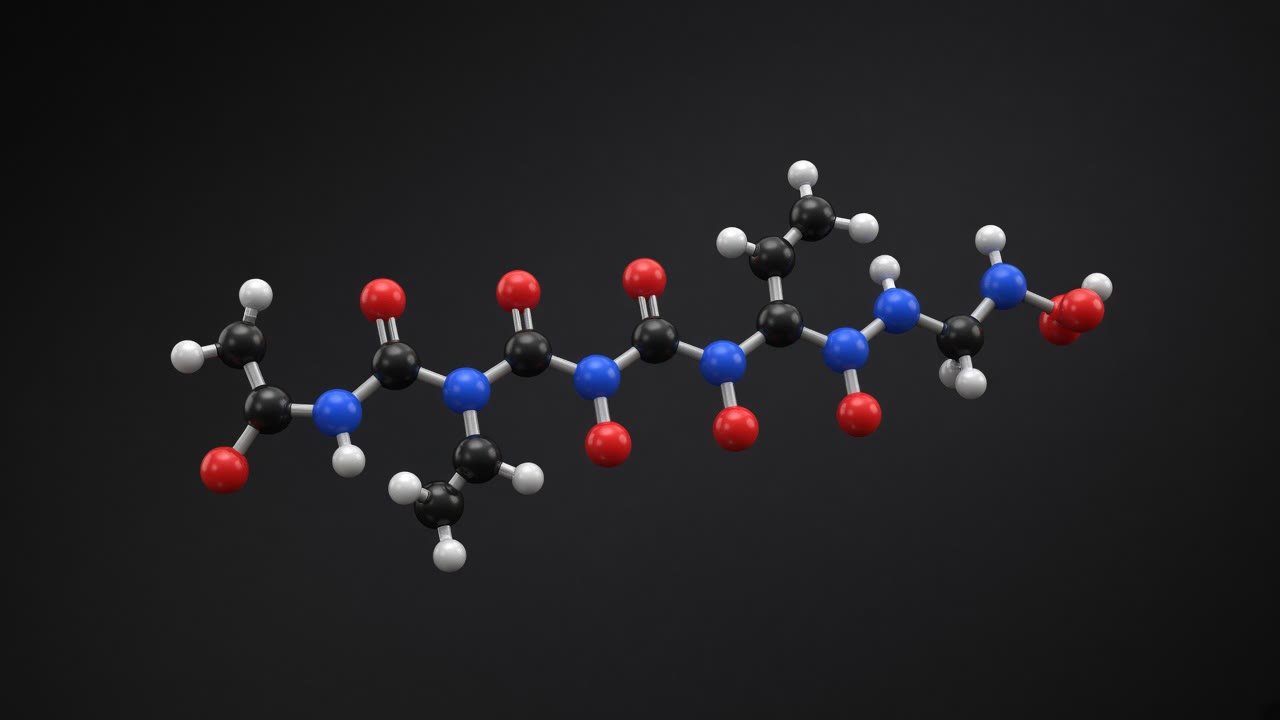
Chemically, mature Thymosin α1 is a 28-amino-acid N-acetylated peptide originally isolated from thymus. The synthetic drug substance is usually called thymalfasin. Internationally it has been marketed as Zadaxin and related brands for chronic hepatitis B and as an immune adjuvant in various jurisdictions. It is not an FDA-approved drug product in the United States. That split — labeled product abroad, research conversation at home — is the same habit this Journal already uses for related-but-not-identical product worlds.
Not the actin-binding thymosin
Thymosin β4 is a 43-residue G-actin sequestering protein with a rodent wound literature. Catalog TB-500 is typically a short actin-binding motif from that protein. Thymosin α1 sits elsewhere: dendritic-cell and T-cell immunomodulation, Toll-like receptor–adjacent framing in reviews, and clinical programs that asked about infection, vaccine response, and critical illness — not dermal re-epithelialization. Same Greek letter family in the common name. Different sequence. Different experiment.
What the sepsis trials actually measured
Smaller controlled studies and earlier meta-analyses suggested thymosin α1 might lower short-term mortality in sepsis, often with soft methods and modest samples. ETASS (2013) enrolled 361 adults with severe sepsis across six Chinese hospitals: 28-day all-cause mortality was 26.0% with Tα1 versus 35.0% in controls (relative risk 0.74, 95% CI 0.54–1.02) — a marginal signal that invited a larger test, not a settled practice guideline.
TESTS (published 2025 in The BMJ) was that larger test: a multicentre, double-blind, placebo-controlled phase 3 trial. Of 1,106 enrolled adults with sepsis, 1,089 entered the modified intention-to-treat analysis. Twenty-eight-day all-cause mortality was 23.4% with thymosin α1 and 24.1% with placebo (hazard ratio 0.97, 95% CI 0.76–1.24). Secondary and safety outcomes did not differ in a statistically clear way. Prespecified subgroup glances are hypothesis generators, not a rescue of the primary null.
A bigger, cleaner trial can erase a hopeful meta-analysis. That is how evidence is supposed to work.
A 2025 systematic review and meta-analysis still pooled a mortality reduction across eleven randomized trials, then showed the signal weakening or vanishing in high-quality and multicenter subgroups. Trial-sequential analysis said the information size is still thin. Pooling small trials is not the same shelf as one adequately powered phase 3.
Regulatory context without the sales pitch
FDA materials for the December 4, 2024 Pharmacy Compounding Advisory Committee meeting reviewed thymosin alpha-1–related bulk substances after a 503A nomination that was later withdrawn. The Agency put the question on a public calendar. That is regulatory context, not approval of a labeled U.S. product, and not a ban on laboratory research on the peptide.
Sources
- 01The efficacy and safety of thymosin α1 for sepsis (TESTS) — Wu J, et al. (2025). The BMJ.
Primary null — 28-day mortality 23.4% vs 24.1% (HR 0.97, 0.76–1.24) in 1,089 analyzed adults.
- 02The efficacy of thymosin alpha 1 for severe sepsis (ETASS) — Wu J, Zhou L, Liu J, et al. (2013). Critical Care.
Earlier multicenter signal — 26% vs 35% 28-day mortality; marginal, hypothesis-generating.
- 03Efficacy of thymosin α1 for sepsis: a systematic review and meta-analysis of randomized controlled trials — Pei F, et al. (2025). Frontiers in Cellular and Infection Microbiology.
Pooled benefit overall; high-quality and multicenter subgroups, plus trial-sequential analysis, undercut confidence.
- 04December 4, 2024 meeting of the Pharmacy Compounding Advisory Committee (2024). U.S. FDA.
Regulatory context. Thymosin alpha-1 related bulk substances were on the agenda. A committee meeting is not FDA approval of a U.S. product.
- 05Purification and biological activity of thymosin, a hormone of the thymus gland — Goldstein AL, Guha A, Zatz MM, Hardy MA, White A. (1972). Proceedings of the National Academy of Sciences.
Historical root of the thymosin program — context, not a modern Tα1 efficacy claim.
Educational material for laboratory research context only. Nothing here is medical advice, a protocol for human use, or a claim that Inspired Labs products diagnose, treat, cure, or prevent disease.
Previous
Orforglipron is not a research GLP vial: An oral small-molecule pill (Foundayo), not a peptide, and not ILGLP-*
Next
What a peptide actually is
Continue
Your Muscle Noticed Menopause. Science Still Points at Iron.
After menopause, honestly
Your Muscle Noticed Menopause. Science Still Points at Iron.
Read brief → 3 min

Your Tendons Are Still Running on Your Teenage Collagen
Recovery, honestly
Your Tendons Are Still Running on Your Teenage Collagen
Read brief → 3 min

The Holiday Pound Is Small. It Just Never Leaves.
Weight, honestly
The Holiday Pound Is Small. It Just Never Leaves.
Read brief → 3 min