
The Journal · Volume 02
Explore the research
Briefs that help you understand what researchers study — how strong the evidence is, what remains open, and how the compounds show up in the literature. 19 essays. Tap a card to open the full brief.
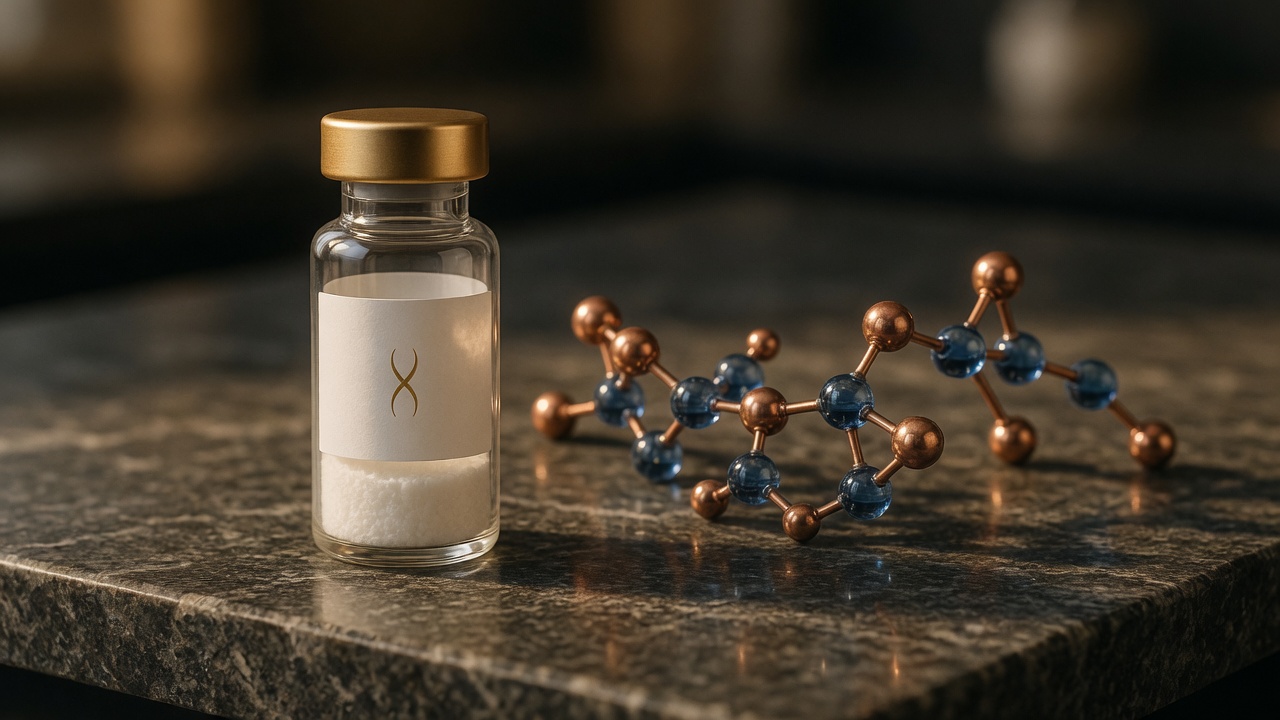
What a peptide actually is
Methods/Sep 8, 2026
What a peptide actually is
A short chain of amino acids — the same building blocks as proteins, stopped before a full fold. Here is why that length still matters in cells, and how a research vial fits the picture.
Read brief → 7 min · Lab method · Early lab / animal research
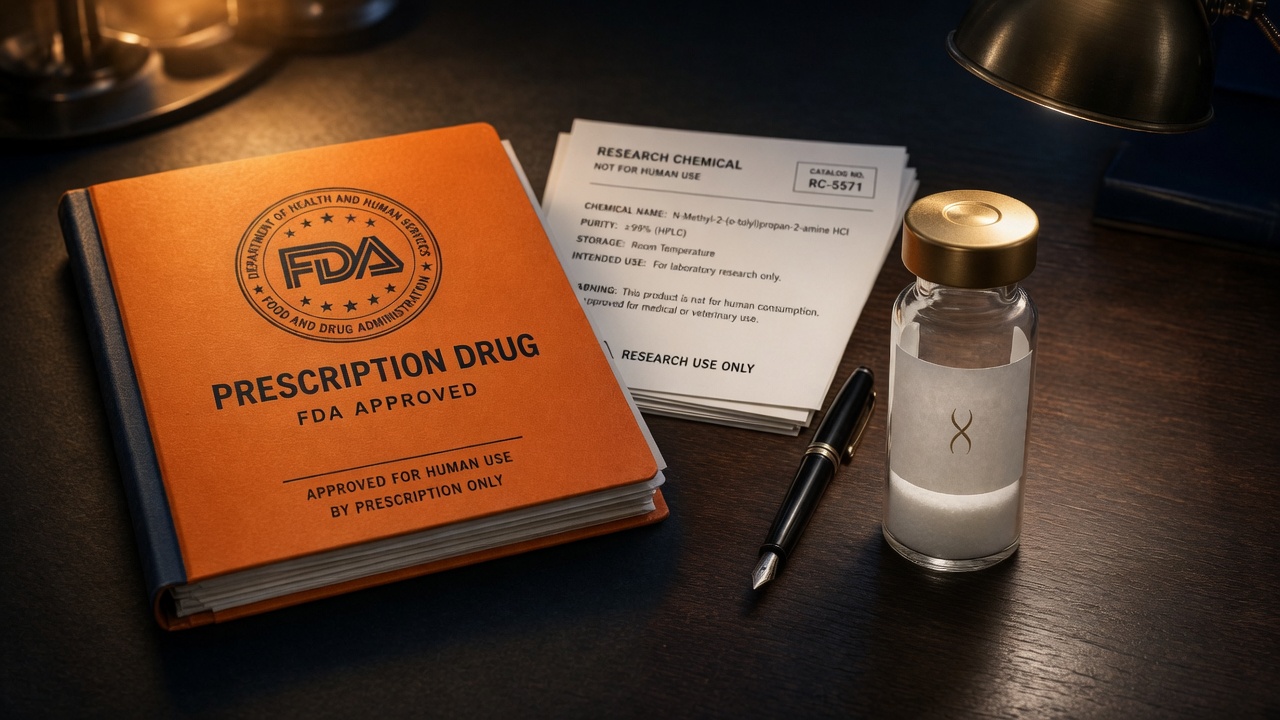
How GLP-1 changed metabolic research
Compound
How GLP-1 changed metabolic research
An incretin hormone with a deep physiology literature — and, later, large human trials on labeled products. Inspired Labs ILGLP-1 is a research analog in that conversation, not a prescription pen.
Read brief → 9 min/Human clinical trial, Approved drug (different product context)

CJC-1295 + Ipamorelin: Two different paths to the growth-hormone axis
Compound
CJC-1295 + Ipamorelin: Two different paths to the growth-hormone axis
One is a long-acting GHRH analog that kept IGF-1 elevated for days in healthy adults. The other is a selective ghrelin-receptor secretagogue with a distinctive hormone panel in animals. A blend is two literatures sharing a vial.
Read brief → 9 min/Human clinical trial, Early lab / animal research
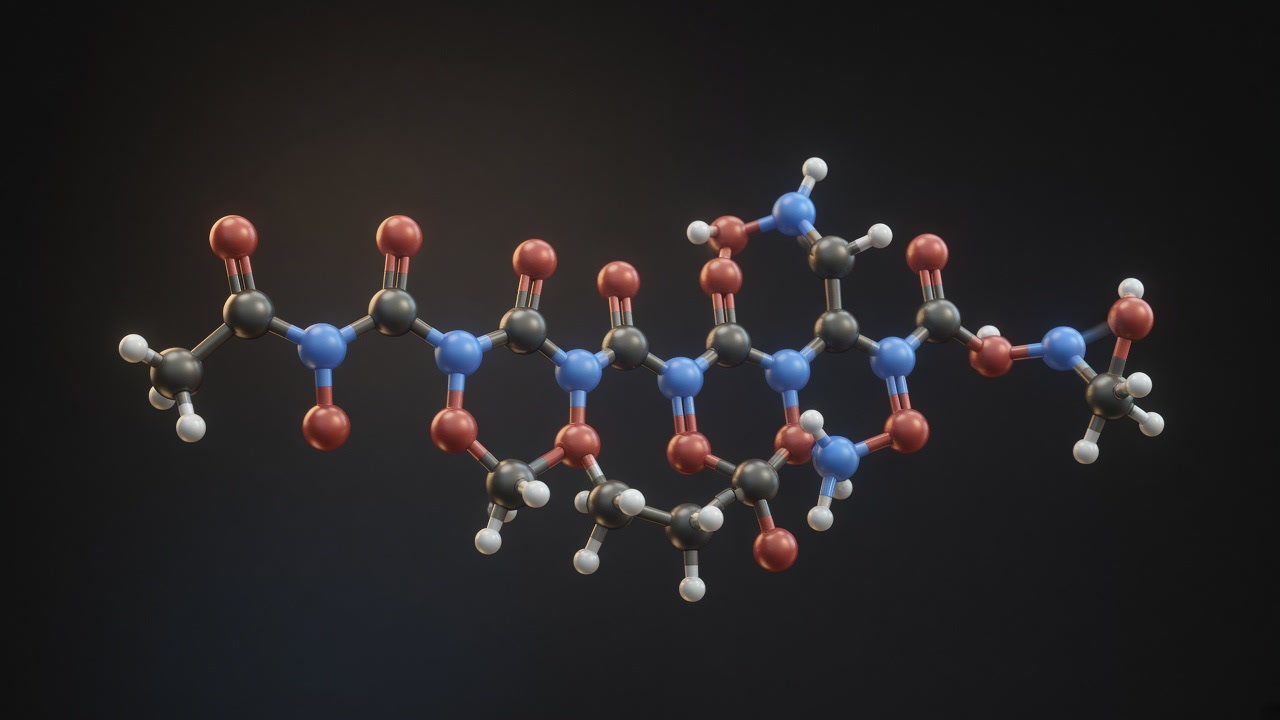
TB-500 and Thymosin β4: Why the difference matters
Compound
TB-500 and Thymosin β4: Why the difference matters
Thymosin β4 is a 43-residue actin-binding protein with a real rodent wound literature. Catalog “TB-500” is usually a shorter actin-binding motif. Length changes what experiment you are actually reading.
Read brief → 8 min/Early lab / animal research, Regulatory context

PT-141 and the melanocortin system: A different kind of peptide story
Compound
PT-141 and the melanocortin system: A different kind of peptide story
Bremelanotide won FDA approval in 2019 for acquired, generalized HSDD in premenopausal women. Two Phase 3 trials in 1,247 women moved desire and distress scores. A research vial of PT-141 sits in the same receptor conversation — as a chemical, not as that autoinjector.
Read brief → 8 min/Approved drug (different product context), Human clinical trial

Semax and Selank: Two peptides with an unusual history in Russian neuroscience
Compound
Semax and Selank: Two peptides with an unusual history in Russian neuroscience
One raises hippocampal BDNF in rats and has a Russian stroke literature. The other was compared with a benzodiazepine in 62 patients with generalized anxiety. Neither carries an FDA indication as a focus drug.
Read brief → 9 min/Early lab / animal research, Early human research
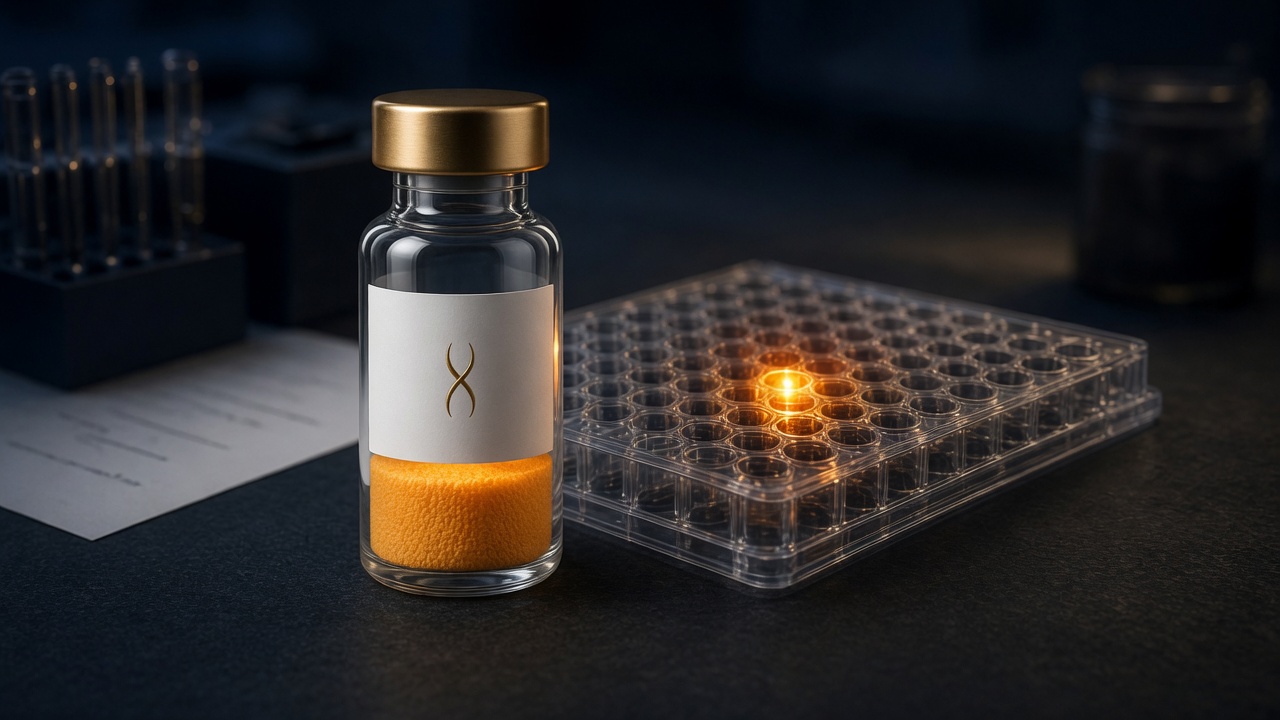
NAD+: The molecule connecting cellular energy, metabolism, and aging research
Compound
NAD+: The molecule connecting cellular energy, metabolism, and aging research
Levels of this coenzyme fall with age in many tissues. Precursors reverse pieces of that story in mice. Human evidence is real, uneven, and mostly about NMN and NR — adjacent to, and not identical with, a lyophilized dinucleotide on a research shelf.
Read brief → 8 min/Early lab / animal research, Early human research
GLOW and KLOW: Why blends need separate evidence stories
Compound
GLOW and KLOW: Why blends need separate evidence stories
BPC-157, TB-500, and GHK-Cu did not meet in a landmark blend trial. They met in a catalog. KLOW adds KPV. Each sequence has its own papers, gaps, and evidence grade.
Read brief → 8 min/Early lab / animal research, Early human research
How to read a certificate of analysis
Methods
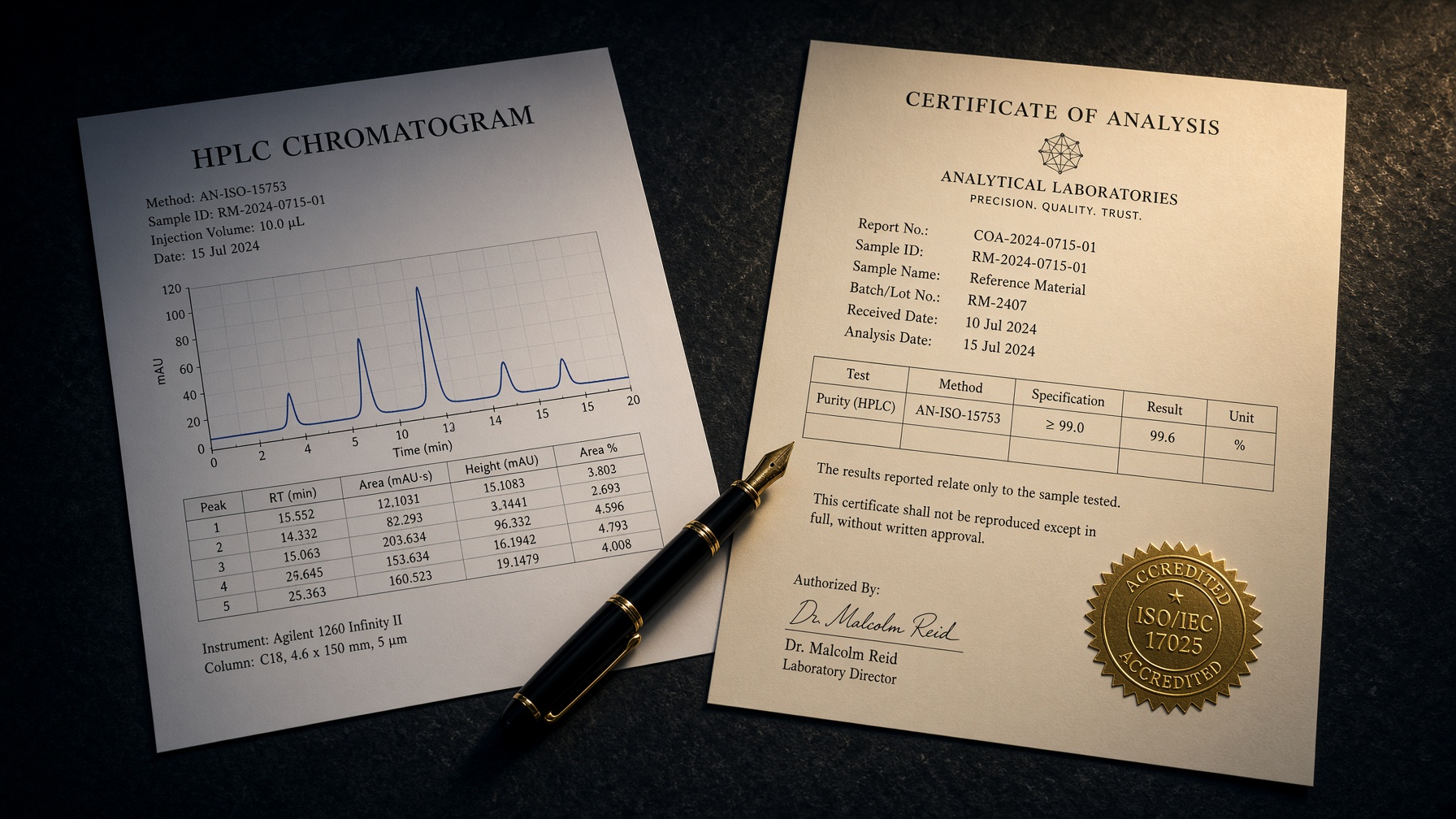
How to read a certificate of analysis
A COA is a lot-specific lab record. Match the lot, check the method, and separate identity from purity — that is most of the skill.
Read brief → 8 min/Lab method

What Research Use Only actually means
Regulatory
What Research Use Only actually means
RUO is an intended-use boundary in plain English: the product is for laboratory research, not for diagnosing, treating, or curing disease — and a footer disclaimer cannot rewrite a product story that points the other way.
Read brief → 9 min/Regulatory context
GHK-Cu: The copper peptide with decades of research behind it
Compound
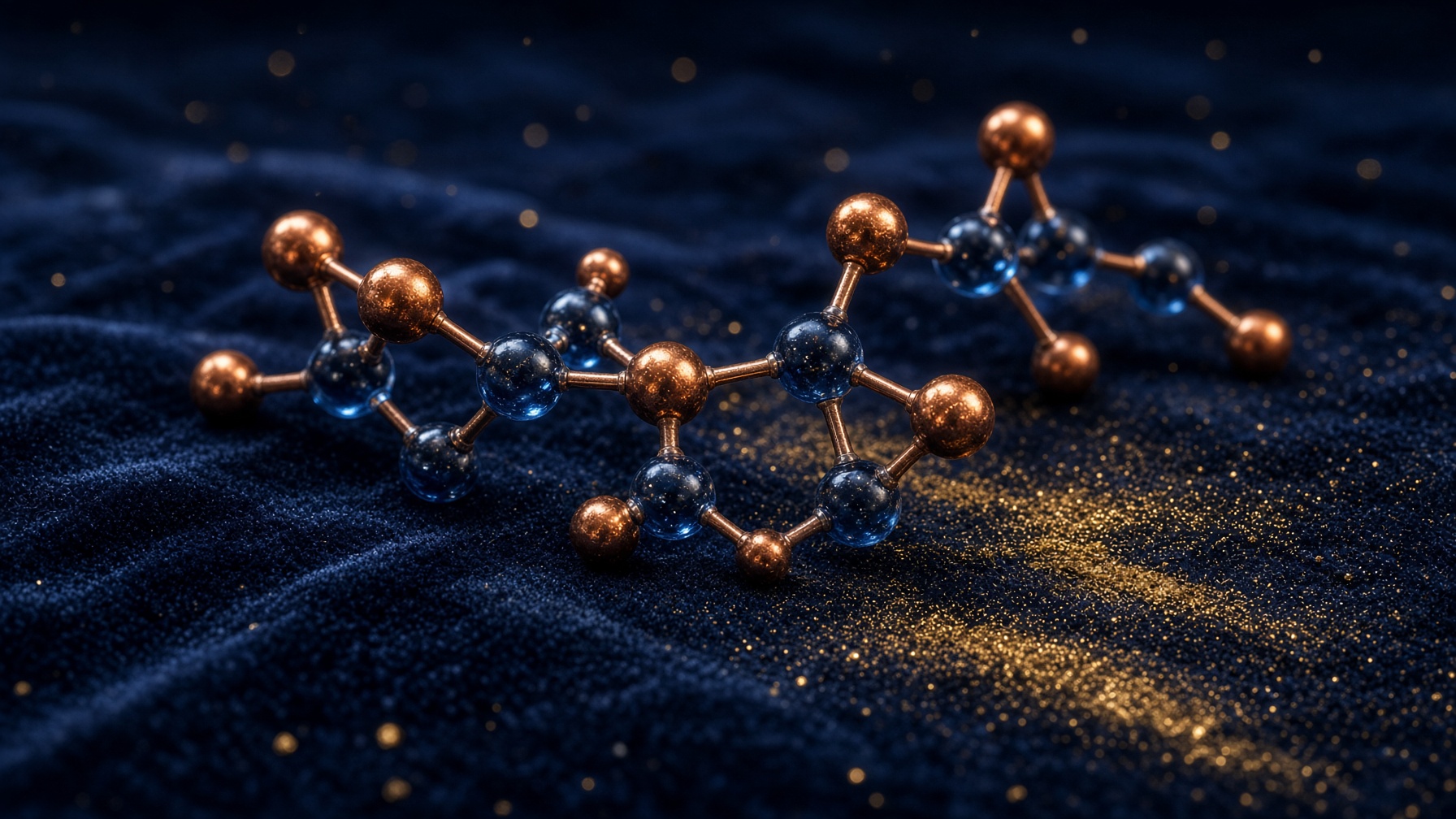
GHK-Cu: The copper peptide with decades of research behind it
Loren Pickart isolated GHK from human plasma in the 1970s. The copper complex that followed built a real dermal literature — worth reading on its own terms.
Read brief → 10 min/Early lab / animal research, Early human research

BPC-157: Why the animal research gets so much attention
Compound
BPC-157: Why the animal research gets so much attention
The pentadecapeptide has a large preclinical literature — especially in rodents — and a much thinner human file. FDA has been explicit about that gap.
Read brief → 9 min/Early lab / animal research, Regulatory context
SS-31: From mitochondrial research peptide to an FDA-approved drug
Compound
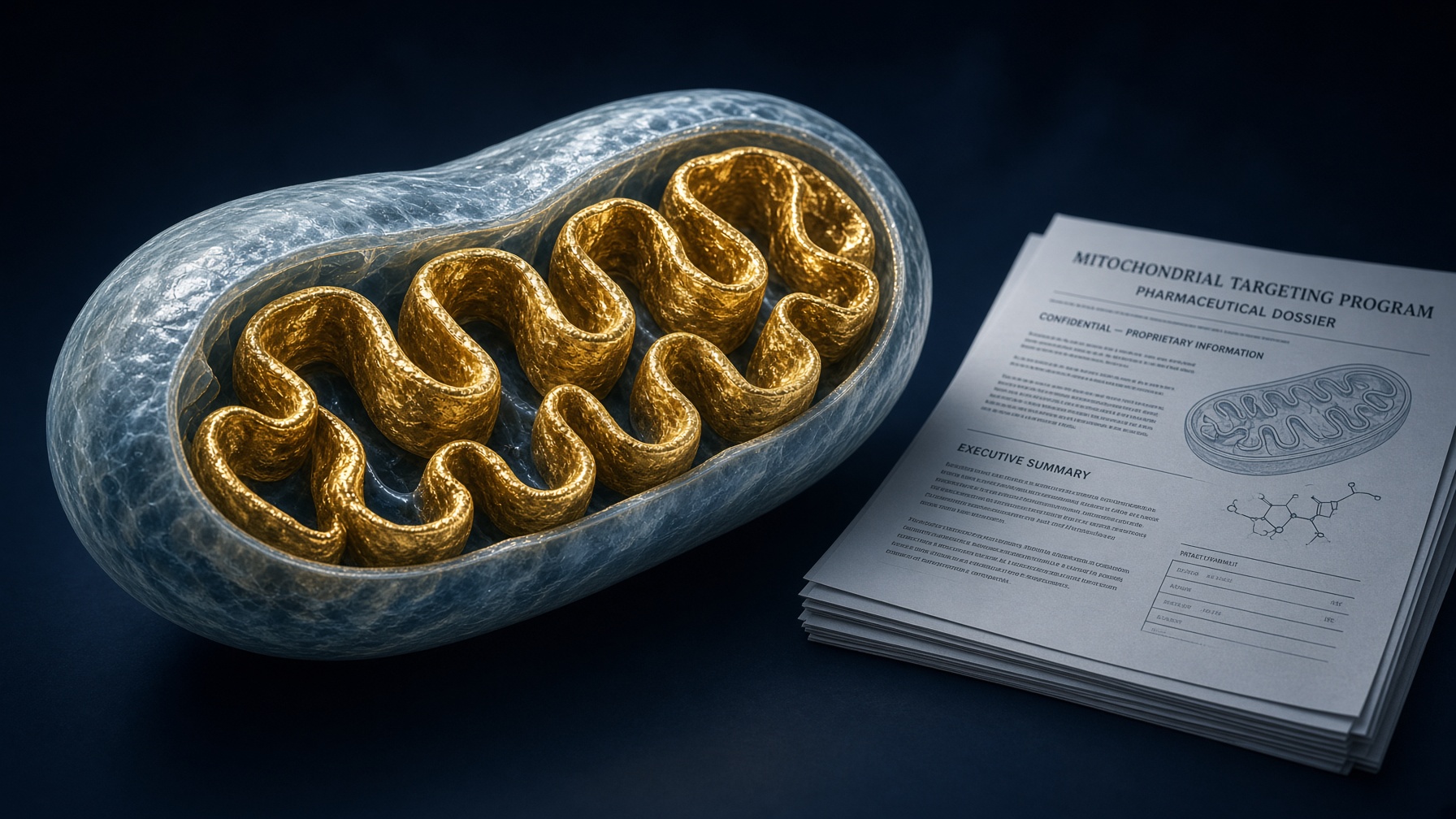
SS-31: From mitochondrial research peptide to an FDA-approved drug
Elamipretide received accelerated approval as Forzinity for Barth syndrome in September 2025. The research material and the approved product share a story — and they are not interchangeable.
Read brief → 8 min/Approved drug (different product context), Early lab / animal research
Reconstitution is just dilution math
Methods
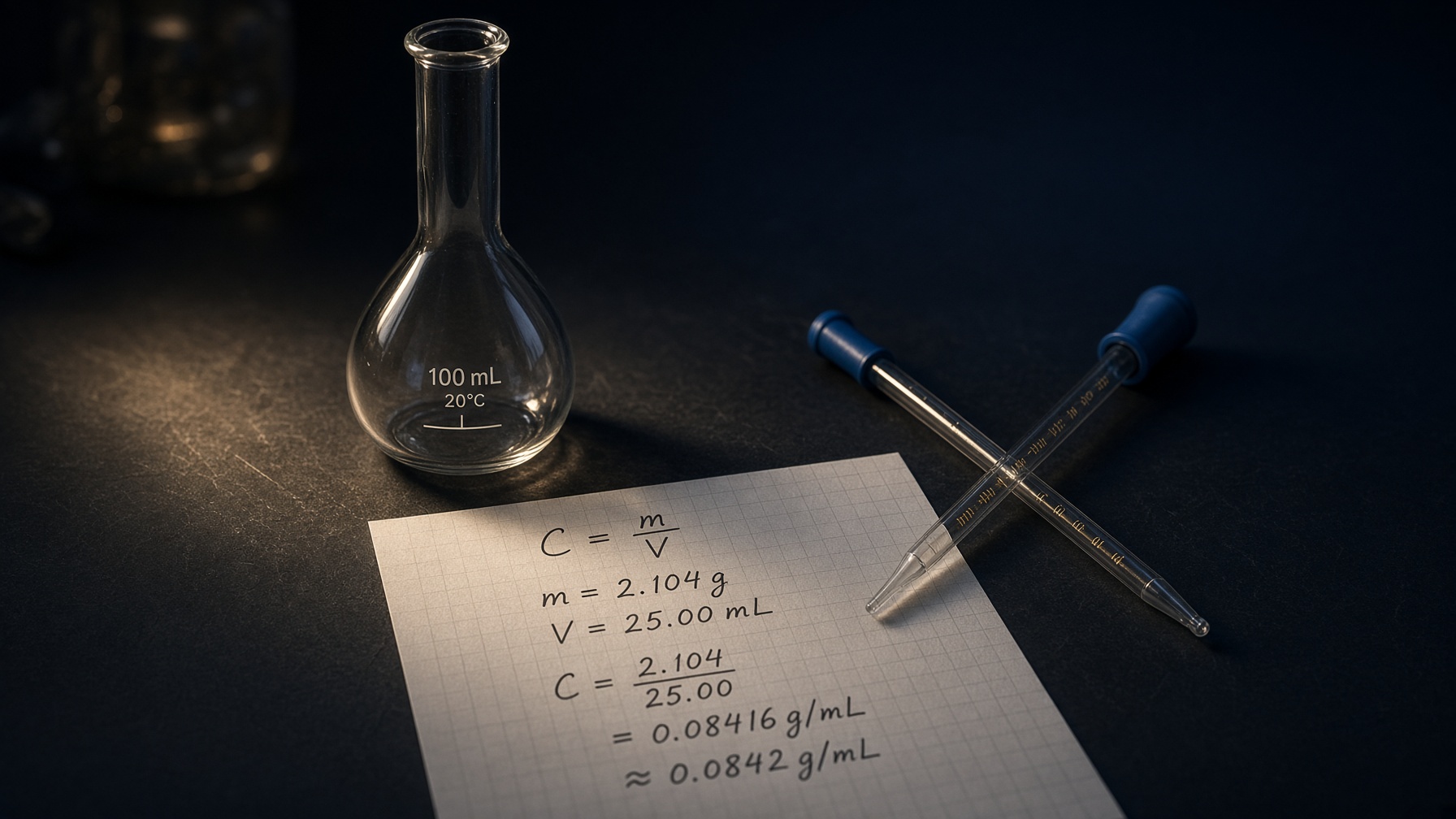
Reconstitution is just dilution math
Mass, diluent volume, and syringe units are a measurement problem — useful for preparing a known concentration in the lab, and distinct from any dosing instruction.
Read brief → 7 min/Lab method

MOTS-c: The tiny peptide encoded inside mitochondrial DNA
Compound
MOTS-c: The tiny peptide encoded inside mitochondrial DNA
A 16-residue peptide from the mitochondrial genome, with AMPK-linked metabolic work in mice — and no approved human drug.
Read brief → 8 min/Early lab / animal research, Regulatory context
Tesamorelin and Egrifta: Related sequences, different products
Compound
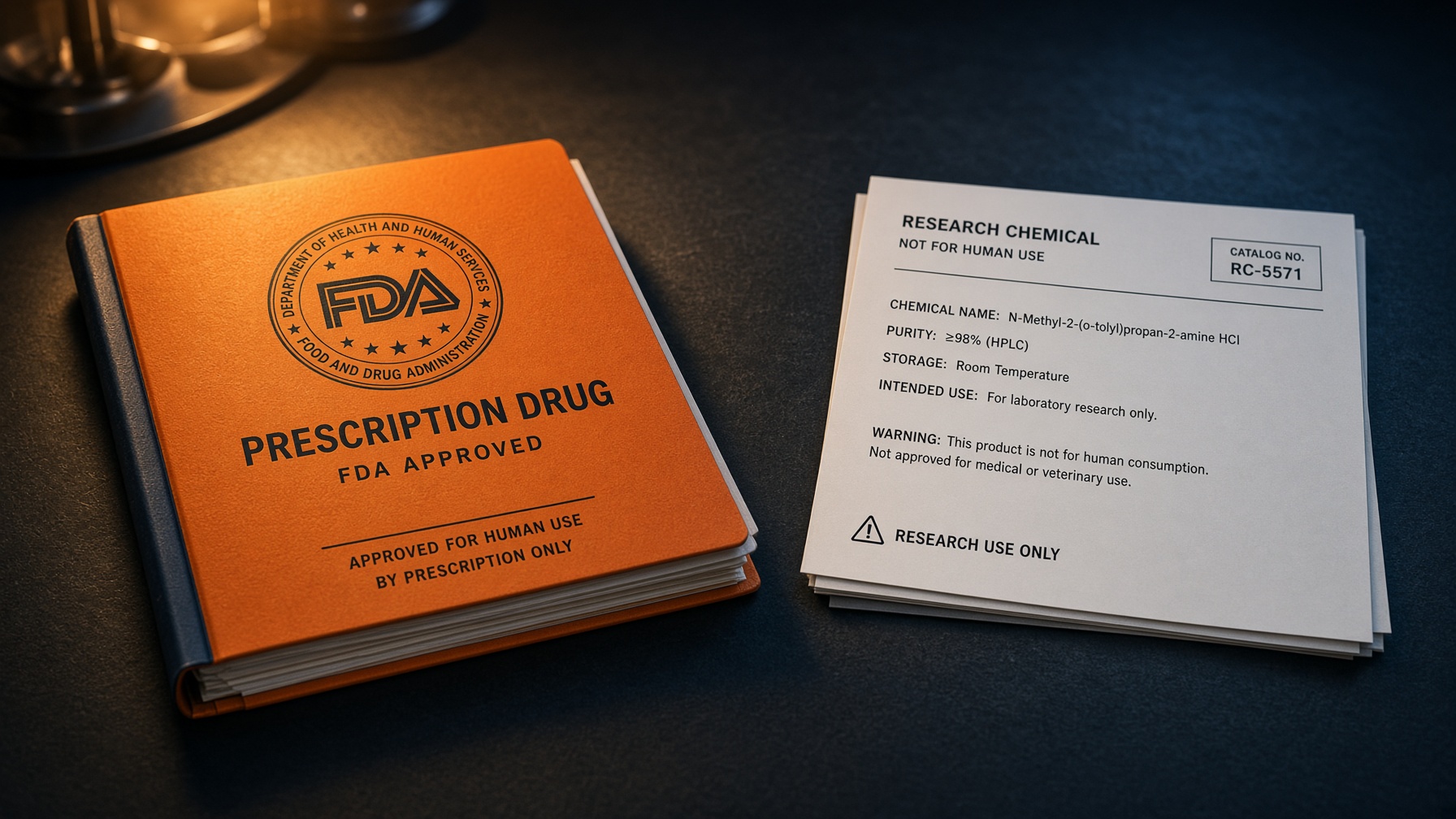
Tesamorelin and Egrifta: Related sequences, different products
A GHRH analogue with an FDA-approved product for HIV-associated lipodystrophy. Sequence relatedness is real; product identity is a separate question.
Read brief → 8 min/Approved drug (different product context), Human clinical trial
5-Amino-1MQ: Why researchers are targeting the NNMT enzyme
Compound
5-Amino-1MQ: Why researchers are targeting the NNMT enzyme
Nicotinamide N-methyltransferase sits in a metabolic literature around NAD+ and methylation. A small-molecule inhibitor is a tool for asking those questions carefully.
Read brief → 8 min/Early lab / animal research
Why endotoxin testing belongs on a peptide COA
Methods
Why endotoxin testing belongs on a peptide COA
LAL is a quantitative method with units and a detection story. “Looks clean” is not a specification — and cell assays notice the difference.
Read brief → 7 min/Lab method

How this journal grades evidence
Methods
How this journal grades evidence
Six plain labels — from lab method to approved-drug context — so a mouse study, a cream trial, and a labeled product do not blur into one caption.
Read brief → 6 min/Lab method
The catalog
Interested in compounds you've been reading about?
Explore the Inspired Labs research catalog for lot-level documentation and pricing on the compounds discussed in these briefs.